
Information Box Group
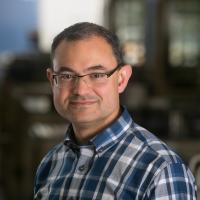
Alex Adronov
Professor
Research focuses on:Polymer Chemistry of Nanotubes; Dendrimer-Based Therapeutics; Covalent Functionalization of Single-Walled Carbon Nanotubes (SWNTs); SupramolecularFunctionalization of SWNTs; Dendrimer-Based Imaging Agents
Current research projects can be separated into two main areas, including the polymer chemistry of carbon nanotubes, and dendrimer-based therapeutics. In the former, both covalent and non-covalent carbon nanotube functionalization strategies are being explored, with a focus on producing functional materials that combine the properties of carbon nanotubes with those of other nano-scale structures. In the area of dendrimer-based therapeutics, the emphasis is on the development and investigation of simultaneous diagnostic imaging and drug delivery agents.
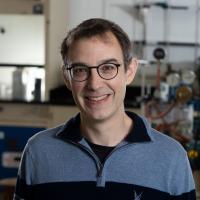
Paul Ayers
Professor, Canada Research Chair in Theoretical Chemistry and Chemical Biology
Research focuses on: Mathematical methods, conceptual tools, and computational software for molecular modelling; New electronic structure theory methods; Concepts in quantum chemistry; Machine learning for chemical property prediction
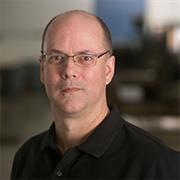
Paul Ayers
Professor, Canada Research Chair in Theoretical Chemistry and Chemical Biology
Paul Berti
Professor, Associate Chair (Undergraduate Studies)
Research focuses on: Transition-state analysis, enzyme inhibition, inhibitor design, enzyme mechanisms
John Brennan
Professor, Canada Research Chair in Point-of-Care Diagnostics
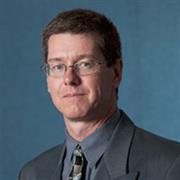
John Brennan
Professor, Canada Research Chair in Point-of-Care Diagnostics
Philip Britz-McKibbin
Professor
Research focuses on: Bioanalytical chemistry; metabolomics; exposomics; biomarker discovery; clinical biochemistry; capillary electrophoresis; mass spectrometry; chemometrics; bimolecular interactions; drug screening; newborn screening; population health; nutrition; precision health
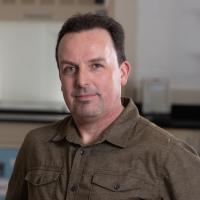
Michael Brook
Professor, Faculty of Science Chair in Sustainable Silicone Polymers
Research focuses on:Synthesis to make silicones more sustainable: controlling biological and interfacial properties by incorporating natural materials, new routes to recycle automotive tires, development of strategies to create precise silicones with precise properties
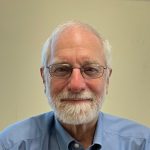
Michael Brook
Professor, Faculty of Science Chair in Sustainable Silicone Polymers
Katherine Bujold
Assistant Professor
Research focuses on:DNA Nanotechnology, Supramolecular DNA Assembly, Spherical Nucleic Acids, Chemical Biology
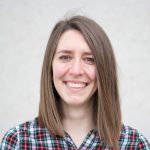
Fred Capretta
Associate Professor
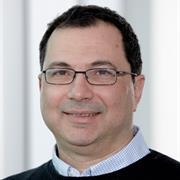
Lydia Chen
Assistant Professor, Teaching Stream
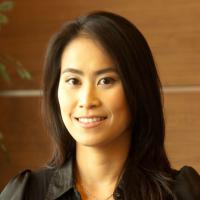
Anthony Chibba
Assistant Professor, Teaching Stream
Research focuses on: Pedagogy in Chemistry and Chemical Biology
- Exploring the use of social media to enhance student learning and engagement in large introductory classes
- Development of modern and innovative chemical biology laboratory experiences to enhance student learning
- Development of OER resources in Chemistry and Chemical Biology
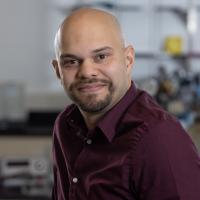
Randy Dumont
Associate Professor
Research focuses on:Relativistic quantum dynamics; quantum and semiclassical molecular dynamics; simulation of NMR spectra

David Emslie
Professor
Research focuses on:Organometallic and Coordination Chemistry, Molecular Inorganic Synthesis, Ligand Design, Reactivity Studies and Catalysis, Atomic Layer Deposition
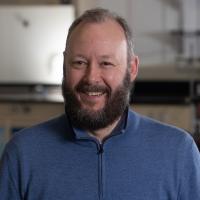
David Farrar
Professor, President and Vice-Chancellor
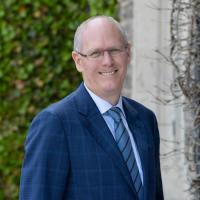
David Farrar
Professor, President and Vice-Chancellor
Avik (Jim) Ghoshdastidar
Assistant Professor

Avik (Jim) Ghoshdastidar
Assistant Professor
Gillian Goward
Professor
Research focuses on:Magnetic Resonance Spectroscopy and Imaging of Materials for Alternative Energy Storage & Conversion; Lithium Ion Batteries & Fuel Cells
Our research group aims to apply advanced solid-state nuclear magnetic techniques, in combination with electrochemical characterisation, to the study of materials of interest as chemical power sources. Lithium ion batteries and proton exchange membrane fuel cells (PEM-FC) provide environmentally friendly energy alternatives. Emerging technologiesinclude sodium ion batteries, and sodium/lithium-air batteries, which are exciting, but so far poorlyunderstood & controlled. Solid-state NMR is well known for its ability to provide site-specific information on structure and dynamics. Weutilise multi-nuclear approaches including 7Li, 6Li, 23Na, and 1H, to investigate processes and interactions such as electrochemical transport, ionic conductivity,hydrogen-bonding,and polymer chain ordering or mobility. In recent years, the field of magnetic resonance has experienced rapid technological and methodological growth, allowing a broader range of materials questions to be addressed.
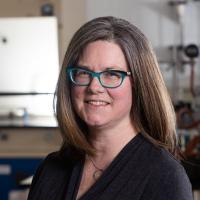
Sharonna Greenberg
Assistant Professor, Teaching Stream
Research focuses on: Chemical education and pedagogy: creating, applying, and evaluating new technologies and assessment methods in the chemistry curriculum
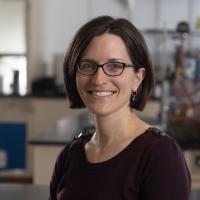
Sharonna Greenberg
Assistant Professor, Teaching Stream
James Inkster
Assistant Professor
Research Interests: Radiochemistry, bioconjugate chemistry, organic synthesis, PET molecular imaging
Research focuses on: the design, synthesis and assessment of novel PET imaging radiopharmaceuticals.
I’m a new faculty member in the Dept. of Chemistry & Chemical Biology and a radiopharmaceutical chemist. My team and I will be designing and testing radioactive diagnostic probes (radiotracers) for in vivo molecular imaging applications, in particular positron emission tomography (PET) tracers.å
Areas of research will include:
- efficient and broadly-useful radiosynthetic techniques, in particular those related to the incorporation of 18F into bioactive small molecules;
- new bioconjugation strategies for the modification of potential peptide and protein-based targeting vectors, and;
- pathologies that currently lack clinically-relevent, ‘gold-standard’ molecular imaging agents (e.g. diabetes, bacterial infection).”
- Website: McMaster Radiochemistry and Radiopharmaceuticals
Website: McMaster Radiochemistry and Radiopharmaceuticals
Publications: See OrcID for a list of Dr. Inkster’s most recent publications
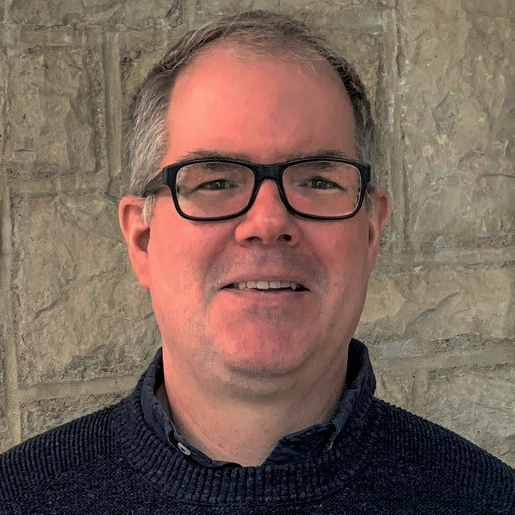
Peter Kruse
Professor, Associate Chair (Graduate Studies)
Research focuses on: Surfaces, interface and low-dimensional materials; their electronic and chemical properties; doping, mobility and pattern formation; applications in corrosion inhibitors and water quality sensors
Peter Kruse
Professor, Associate Chair (Graduate Studies)
James McNulty
Professor
Research focuses on: Organic Synthesis; Medicinal Chemistry; Natural Products; Organocatalysis; Transition-metal Catalysis;Total Synthesis
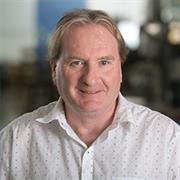
Giuseppe Melacini
Professor
Research focuses on: Pre-clinical molecular pharmacology of neurodegenerative diseases and cancer; intrinsically unstructured amyloidogenic proteins: protein kinases & signaling; functional protein dynamics and allosteric regulation; Nuclear Magnetic Resonance (NMR)
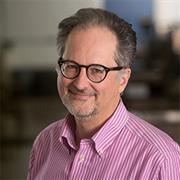
Jose Moran-Mirabal
Professor, University Scholar, Associate Chair (Research)
Research focuses on:Micro- and nanostructured materials fabrication and applications; nanocellulose surface chemistry; 3D printing; biosensors; super-resolution fluorescence microscopy, biomolecular interactions
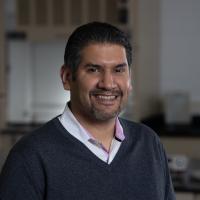
Jose Moran-Mirabal
Professor, University Scholar, Associate Chair (Research)
Yurij Mozharivskyj
Professor
Research focuses on: Thermoelectric materials; inorganic phosphors for temperature sensing
Joseph Okeme
Assistant Professor
Our research program aims to use novel methods to understand how chemical exposure and other environmental factors influence human and ecosystem health. Our areas of investigation include:
- Development of novel analytical methods and physical and chemical databases
- Design and development of novel passive sampling and modelling methods
- Application of novel methods and databases in human and ecosystem studies
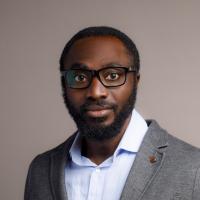
Saman Sadeghi
Associate Professor
Research focuses on: Molecular imaging, radiolabeling methodologies, targeted radiotherapeutics, preclinical in vitro and in vivo validation of radiopharmaceuticals, clinical translation
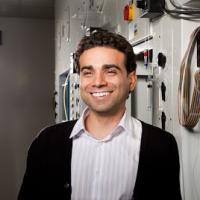
Kalaichelvi Saravanamuttu
Professor
Research focuses on:Sol-gel chemistry; self-assembly; photonics and photo-induced transformations

Harald Stover
Professor
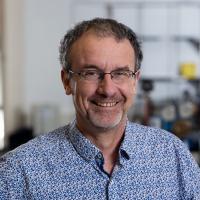
Sarah Styler
Assistant Professor, Canada Research Chair in Atmospheric Chemistry
Dr. Styler leads the P.A.R.T.I.C.L.E.S. (pesticides, art, road dust, traffic, interdisciplinary, combustion, light, equity, surfaces) research group, which currently consists of five excellent graduate students, one stellar undergraduate trainee, and one fantastic postdoctoral researcher.
As our name suggests, we are interested in a wide range of environmentally related topics:
- chemistry on atmospheric surfaces, including desert/urban dust, wildfire particulate matter, urban surfaces, and cultural heritage objects;
- air quality, climate, and health impacts of atmospheric processes;
- pollutant transformations in complex environmental matrices;
- interdisciplinary engagement (e.g., high-throughput reactor design, art conservation science);
- environmental justice (e.g., collaboration with community partners to identify disparities in pollutant exposure)
We are always looking for enthusiastic undergraduate and graduate students to join our team. As of Spring 2022, please contact us through the standardized form on the P.A.R.T.I.C.L.E.S. website if you are interested in finding out more about the work we do and how it might fit with your own interests and goals.
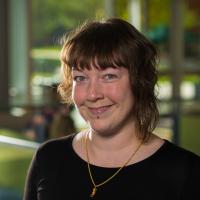
Sarah Styler
Assistant Professor, Canada Research Chair in Atmospheric Chemistry
John Valliant
Professor
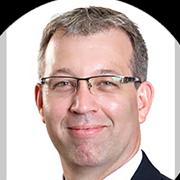
Ignacio Vargas-Baca
Professor and Chair (Acting)
Research focuses on:Supramolecular Main-Group Chemistry: New Materials and Functional Multimolecular Assemblies
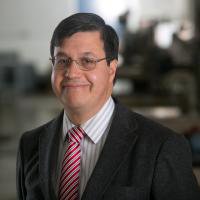
Rodrigo Vargas–Hernández
Assistant Professor
Research focuses on:
- Differentiable programming for computational chemistry
- Machine learning for physical sciences
- Inverse molecular design
In-silico simulations of molecular systems are challenging and it requires great computational resources to simulate real-size systems like chemical reactions, proton, and energy transfer in molecular aggregates, to mention a few. Therefore, there is a need to incorporate and develop numerical tools that scale for real-size simulations of molecular systems. My research group’s primary focus is on developing new numerical methodologies based on machine learning algorithms and modern tools to tack real-size quantum systems.
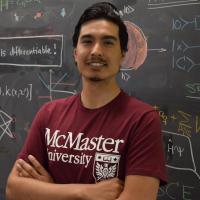
Ryan Wylie
Associate Professor, Acting Director of Chemical Biology (Graduate Studies)
Research focuses on: Delivery vehicles, controlled release, immunotherapeutics, immune-directing polymer coatings
The Wylie Lab develops protein-polymer conjugates for:
1. Delivery of biologics, primarily polymer-antibody conjugates, for applications in cancer immunotherapy and degenerative retinal diseases
2. Bioreactors to modulate blood chemistry towards the treatment of sepsis
3. Bio-inks for the 3D printing of tissues to improve drug screening efficiency
Please visit wylielab.com for more information.
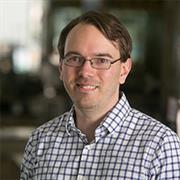
Ryan Wylie
Associate Professor, Acting Director of Chemical Biology (Graduate Studies)
Alex Adronov
Professor
Research focuses on:Polymer Chemistry of Nanotubes; Dendrimer-Based Therapeutics; Covalent Functionalization of Single-Walled Carbon Nanotubes (SWNTs); SupramolecularFunctionalization of SWNTs; Dendrimer-Based Imaging Agents
Current research projects can be separated into two main areas, including the polymer chemistry of carbon nanotubes, and dendrimer-based therapeutics. In the former, both covalent and non-covalent carbon nanotube functionalization strategies are being explored, with a focus on producing functional materials that combine the properties of carbon nanotubes with those of other nano-scale structures. In the area of dendrimer-based therapeutics, the emphasis is on the development and investigation of simultaneous diagnostic imaging and drug delivery agents.
Alex Adronov
Professor
Research focuses on:Polymer Chemistry of Nanotubes; Dendrimer-Based Therapeutics; Covalent Functionalization of Single-Walled Carbon Nanotubes (SWNTs); SupramolecularFunctionalization of SWNTs; Dendrimer-Based Imaging Agents
Current research projects can be separated into two main areas, including the polymer chemistry of carbon nanotubes, and dendrimer-based therapeutics. In the former, both covalent and non-covalent carbon nanotube functionalization strategies are being explored, with a focus on producing functional materials that combine the properties of carbon nanotubes with those of other nano-scale structures. In the area of dendrimer-based therapeutics, the emphasis is on the development and investigation of simultaneous diagnostic imaging and drug delivery agents.
Paul Ayers
Professor, Canada Research Chair in Theoretical Chemistry and Chemical Biology
Research focuses on: Mathematical methods, conceptual tools, and computational software for molecular modelling; New electronic structure theory methods; Concepts in quantum chemistry; Machine learning for chemical property prediction
Paul Ayers
Professor, Canada Research Chair in Theoretical Chemistry and Chemical Biology
Research focuses on: Mathematical methods, conceptual tools, and computational software for molecular modelling; New electronic structure theory methods; Concepts in quantum chemistry; Machine learning for chemical property prediction
Paul Berti
Professor, Associate Chair (Undergraduate Studies)
Research focuses on: Transition-state analysis, enzyme inhibition, inhibitor design, enzyme mechanisms
Paul Berti
Professor, Associate Chair (Undergraduate Studies)
Research focuses on: Transition-state analysis, enzyme inhibition, inhibitor design, enzyme mechanisms
John Brennan
Professor, Canada Research Chair in Point-of-Care Diagnostics
John Brennan
Professor, Canada Research Chair in Point-of-Care Diagnostics
Philip Britz-McKibbin
Professor
Research focuses on: Bioanalytical chemistry; metabolomics; exposomics; biomarker discovery; clinical biochemistry; capillary electrophoresis; mass spectrometry; chemometrics; bimolecular interactions; drug screening; newborn screening; population health; nutrition; precision health
Philip Britz-McKibbin
Professor
Research focuses on: Bioanalytical chemistry; metabolomics; exposomics; biomarker discovery; clinical biochemistry; capillary electrophoresis; mass spectrometry; chemometrics; bimolecular interactions; drug screening; newborn screening; population health; nutrition; precision health
Michael Brook
Professor, Faculty of Science Chair in Sustainable Silicone Polymers
Research focuses on:Synthesis to make silicones more sustainable: controlling biological and interfacial properties by incorporating natural materials, new routes to recycle automotive tires, development of strategies to create precise silicones with precise properties
Michael Brook
Professor, Faculty of Science Chair in Sustainable Silicone Polymers
Research focuses on:Synthesis to make silicones more sustainable: controlling biological and interfacial properties by incorporating natural materials, new routes to recycle automotive tires, development of strategies to create precise silicones with precise properties
Katherine Bujold
Assistant Professor
Research focuses on:DNA Nanotechnology, Supramolecular DNA Assembly, Spherical Nucleic Acids, Chemical Biology
Katherine Bujold
Assistant Professor
Research focuses on:DNA Nanotechnology, Supramolecular DNA Assembly, Spherical Nucleic Acids, Chemical Biology
Fred Capretta
Associate Professor
Fred Capretta
Associate Professor
Lydia Chen
Assistant Professor, Teaching Stream
Lydia Chen
Assistant Professor, Teaching Stream
Anthony Chibba
Assistant Professor, Teaching Stream
Research focuses on: Pedagogy in Chemistry and Chemical Biology
- Exploring the use of social media to enhance student learning and engagement in large introductory classes
- Development of modern and innovative chemical biology laboratory experiences to enhance student learning
- Development of OER resources in Chemistry and Chemical Biology
Anthony Chibba
Assistant Professor, Teaching Stream
Research focuses on: Pedagogy in Chemistry and Chemical Biology
- Exploring the use of social media to enhance student learning and engagement in large introductory classes
- Development of modern and innovative chemical biology laboratory experiences to enhance student learning
- Development of OER resources in Chemistry and Chemical Biology
Randy Dumont
Associate Professor
Research focuses on:Relativistic quantum dynamics; quantum and semiclassical molecular dynamics; simulation of NMR spectra
Randy Dumont
Associate Professor
Research focuses on:Relativistic quantum dynamics; quantum and semiclassical molecular dynamics; simulation of NMR spectra
David Emslie
Professor
Research focuses on:Organometallic and Coordination Chemistry, Molecular Inorganic Synthesis, Ligand Design, Reactivity Studies and Catalysis, Atomic Layer Deposition
David Emslie
Professor
Research focuses on:Organometallic and Coordination Chemistry, Molecular Inorganic Synthesis, Ligand Design, Reactivity Studies and Catalysis, Atomic Layer Deposition
David Farrar
Professor, President and Vice-Chancellor
David Farrar
Professor, President and Vice-Chancellor
Avik (Jim) Ghoshdastidar
Assistant Professor
Avik (Jim) Ghoshdastidar
Assistant Professor
Gillian Goward
Professor
Research focuses on:Magnetic Resonance Spectroscopy and Imaging of Materials for Alternative Energy Storage & Conversion; Lithium Ion Batteries & Fuel Cells
Our research group aims to apply advanced solid-state nuclear magnetic techniques, in combination with electrochemical characterisation, to the study of materials of interest as chemical power sources. Lithium ion batteries and proton exchange membrane fuel cells (PEM-FC) provide environmentally friendly energy alternatives. Emerging technologiesinclude sodium ion batteries, and sodium/lithium-air batteries, which are exciting, but so far poorlyunderstood & controlled. Solid-state NMR is well known for its ability to provide site-specific information on structure and dynamics. Weutilise multi-nuclear approaches including 7Li, 6Li, 23Na, and 1H, to investigate processes and interactions such as electrochemical transport, ionic conductivity,hydrogen-bonding,and polymer chain ordering or mobility. In recent years, the field of magnetic resonance has experienced rapid technological and methodological growth, allowing a broader range of materials questions to be addressed.
Gillian Goward
Professor
Research focuses on:Magnetic Resonance Spectroscopy and Imaging of Materials for Alternative Energy Storage & Conversion; Lithium Ion Batteries & Fuel Cells
Our research group aims to apply advanced solid-state nuclear magnetic techniques, in combination with electrochemical characterisation, to the study of materials of interest as chemical power sources. Lithium ion batteries and proton exchange membrane fuel cells (PEM-FC) provide environmentally friendly energy alternatives. Emerging technologiesinclude sodium ion batteries, and sodium/lithium-air batteries, which are exciting, but so far poorlyunderstood & controlled. Solid-state NMR is well known for its ability to provide site-specific information on structure and dynamics. Weutilise multi-nuclear approaches including 7Li, 6Li, 23Na, and 1H, to investigate processes and interactions such as electrochemical transport, ionic conductivity,hydrogen-bonding,and polymer chain ordering or mobility. In recent years, the field of magnetic resonance has experienced rapid technological and methodological growth, allowing a broader range of materials questions to be addressed.
Sharonna Greenberg
Assistant Professor, Teaching Stream
Research focuses on: Chemical education and pedagogy: creating, applying, and evaluating new technologies and assessment methods in the chemistry curriculum
Sharonna Greenberg
Assistant Professor, Teaching Stream
Research focuses on: Chemical education and pedagogy: creating, applying, and evaluating new technologies and assessment methods in the chemistry curriculum
James Inkster
Assistant Professor
Research Interests: Radiochemistry, bioconjugate chemistry, organic synthesis, PET molecular imaging
Research focuses on: the design, synthesis and assessment of novel PET imaging radiopharmaceuticals.
I’m a new faculty member in the Dept. of Chemistry & Chemical Biology and a radiopharmaceutical chemist. My team and I will be designing and testing radioactive diagnostic probes (radiotracers) for in vivo molecular imaging applications, in particular positron emission tomography (PET) tracers.å
Areas of research will include:
- efficient and broadly-useful radiosynthetic techniques, in particular those related to the incorporation of 18F into bioactive small molecules;
- new bioconjugation strategies for the modification of potential peptide and protein-based targeting vectors, and;
- pathologies that currently lack clinically-relevent, ‘gold-standard’ molecular imaging agents (e.g. diabetes, bacterial infection).”
- Website: McMaster Radiochemistry and Radiopharmaceuticals
Website: McMaster Radiochemistry and Radiopharmaceuticals
Publications: See OrcID for a list of Dr. Inkster’s most recent publications
James Inkster
Assistant Professor
Research Interests: Radiochemistry, bioconjugate chemistry, organic synthesis, PET molecular imaging
Research focuses on: the design, synthesis and assessment of novel PET imaging radiopharmaceuticals.
I’m a new faculty member in the Dept. of Chemistry & Chemical Biology and a radiopharmaceutical chemist. My team and I will be designing and testing radioactive diagnostic probes (radiotracers) for in vivo molecular imaging applications, in particular positron emission tomography (PET) tracers.å
Areas of research will include:
- efficient and broadly-useful radiosynthetic techniques, in particular those related to the incorporation of 18F into bioactive small molecules;
- new bioconjugation strategies for the modification of potential peptide and protein-based targeting vectors, and;
- pathologies that currently lack clinically-relevent, ‘gold-standard’ molecular imaging agents (e.g. diabetes, bacterial infection).”
- Website: McMaster Radiochemistry and Radiopharmaceuticals
Website: McMaster Radiochemistry and Radiopharmaceuticals
Publications: See OrcID for a list of Dr. Inkster’s most recent publications
Peter Kruse
Professor, Associate Chair (Graduate Studies)
Research focuses on: Surfaces, interface and low-dimensional materials; their electronic and chemical properties; doping, mobility and pattern formation; applications in corrosion inhibitors and water quality sensors
Peter Kruse
Professor, Associate Chair (Graduate Studies)
Research focuses on: Surfaces, interface and low-dimensional materials; their electronic and chemical properties; doping, mobility and pattern formation; applications in corrosion inhibitors and water quality sensors
James McNulty
Professor
Research focuses on: Organic Synthesis; Medicinal Chemistry; Natural Products; Organocatalysis; Transition-metal Catalysis;Total Synthesis
James McNulty
Professor
Research focuses on: Organic Synthesis; Medicinal Chemistry; Natural Products; Organocatalysis; Transition-metal Catalysis;Total Synthesis
Giuseppe Melacini
Professor
Research focuses on: Pre-clinical molecular pharmacology of neurodegenerative diseases and cancer; intrinsically unstructured amyloidogenic proteins: protein kinases & signaling; functional protein dynamics and allosteric regulation; Nuclear Magnetic Resonance (NMR)
Giuseppe Melacini
Professor
Research focuses on: Pre-clinical molecular pharmacology of neurodegenerative diseases and cancer; intrinsically unstructured amyloidogenic proteins: protein kinases & signaling; functional protein dynamics and allosteric regulation; Nuclear Magnetic Resonance (NMR)
Jose Moran-Mirabal
Professor, University Scholar, Associate Chair (Research)
Research focuses on:Micro- and nanostructured materials fabrication and applications; nanocellulose surface chemistry; 3D printing; biosensors; super-resolution fluorescence microscopy, biomolecular interactions
Jose Moran-Mirabal
Professor, University Scholar, Associate Chair (Research)
Research focuses on:Micro- and nanostructured materials fabrication and applications; nanocellulose surface chemistry; 3D printing; biosensors; super-resolution fluorescence microscopy, biomolecular interactions
Yurij Mozharivskyj
Professor
Research focuses on: Thermoelectric materials; inorganic phosphors for temperature sensing
Yurij Mozharivskyj
Professor
Research focuses on: Thermoelectric materials; inorganic phosphors for temperature sensing
Joseph Okeme
Assistant Professor
Our research program aims to use novel methods to understand how chemical exposure and other environmental factors influence human and ecosystem health. Our areas of investigation include:
- Development of novel analytical methods and physical and chemical databases
- Design and development of novel passive sampling and modelling methods
- Application of novel methods and databases in human and ecosystem studies
Joseph Okeme
Assistant Professor
Our research program aims to use novel methods to understand how chemical exposure and other environmental factors influence human and ecosystem health. Our areas of investigation include:
- Development of novel analytical methods and physical and chemical databases
- Design and development of novel passive sampling and modelling methods
- Application of novel methods and databases in human and ecosystem studies
Saman Sadeghi
Associate Professor
Research focuses on: Molecular imaging, radiolabeling methodologies, targeted radiotherapeutics, preclinical in vitro and in vivo validation of radiopharmaceuticals, clinical translation
Saman Sadeghi
Associate Professor
Research focuses on: Molecular imaging, radiolabeling methodologies, targeted radiotherapeutics, preclinical in vitro and in vivo validation of radiopharmaceuticals, clinical translation
Kalaichelvi Saravanamuttu
Professor
Research focuses on:Sol-gel chemistry; self-assembly; photonics and photo-induced transformations
Kalaichelvi Saravanamuttu
Professor
Research focuses on:Sol-gel chemistry; self-assembly; photonics and photo-induced transformations
Harald Stover
Professor
Harald Stover
Professor
Sarah Styler
Assistant Professor, Canada Research Chair in Atmospheric Chemistry
Dr. Styler leads the P.A.R.T.I.C.L.E.S. (pesticides, art, road dust, traffic, interdisciplinary, combustion, light, equity, surfaces) research group, which currently consists of five excellent graduate students, one stellar undergraduate trainee, and one fantastic postdoctoral researcher.
As our name suggests, we are interested in a wide range of environmentally related topics:
- chemistry on atmospheric surfaces, including desert/urban dust, wildfire particulate matter, urban surfaces, and cultural heritage objects;
- air quality, climate, and health impacts of atmospheric processes;
- pollutant transformations in complex environmental matrices;
- interdisciplinary engagement (e.g., high-throughput reactor design, art conservation science);
- environmental justice (e.g., collaboration with community partners to identify disparities in pollutant exposure)
We are always looking for enthusiastic undergraduate and graduate students to join our team. As of Spring 2022, please contact us through the standardized form on the P.A.R.T.I.C.L.E.S. website if you are interested in finding out more about the work we do and how it might fit with your own interests and goals.
Sarah Styler
Assistant Professor, Canada Research Chair in Atmospheric Chemistry
Dr. Styler leads the P.A.R.T.I.C.L.E.S. (pesticides, art, road dust, traffic, interdisciplinary, combustion, light, equity, surfaces) research group, which currently consists of five excellent graduate students, one stellar undergraduate trainee, and one fantastic postdoctoral researcher.
As our name suggests, we are interested in a wide range of environmentally related topics:
- chemistry on atmospheric surfaces, including desert/urban dust, wildfire particulate matter, urban surfaces, and cultural heritage objects;
- air quality, climate, and health impacts of atmospheric processes;
- pollutant transformations in complex environmental matrices;
- interdisciplinary engagement (e.g., high-throughput reactor design, art conservation science);
- environmental justice (e.g., collaboration with community partners to identify disparities in pollutant exposure)
We are always looking for enthusiastic undergraduate and graduate students to join our team. As of Spring 2022, please contact us through the standardized form on the P.A.R.T.I.C.L.E.S. website if you are interested in finding out more about the work we do and how it might fit with your own interests and goals.
John Valliant
Professor
John Valliant
Professor
Ignacio Vargas-Baca
Professor and Chair (Acting)
Research focuses on:Supramolecular Main-Group Chemistry: New Materials and Functional Multimolecular Assemblies
Ignacio Vargas-Baca
Professor and Chair (Acting)
Research focuses on:Supramolecular Main-Group Chemistry: New Materials and Functional Multimolecular Assemblies
Rodrigo Vargas–Hernández
Assistant Professor
Research focuses on:
- Differentiable programming for computational chemistry
- Machine learning for physical sciences
- Inverse molecular design
In-silico simulations of molecular systems are challenging and it requires great computational resources to simulate real-size systems like chemical reactions, proton, and energy transfer in molecular aggregates, to mention a few. Therefore, there is a need to incorporate and develop numerical tools that scale for real-size simulations of molecular systems. My research group’s primary focus is on developing new numerical methodologies based on machine learning algorithms and modern tools to tack real-size quantum systems.
Rodrigo Vargas–Hernández
Assistant Professor
Research focuses on:
- Differentiable programming for computational chemistry
- Machine learning for physical sciences
- Inverse molecular design
In-silico simulations of molecular systems are challenging and it requires great computational resources to simulate real-size systems like chemical reactions, proton, and energy transfer in molecular aggregates, to mention a few. Therefore, there is a need to incorporate and develop numerical tools that scale for real-size simulations of molecular systems. My research group’s primary focus is on developing new numerical methodologies based on machine learning algorithms and modern tools to tack real-size quantum systems.
Ryan Wylie
Associate Professor, Acting Director of Chemical Biology (Graduate Studies)
Research focuses on: Delivery vehicles, controlled release, immunotherapeutics, immune-directing polymer coatings
The Wylie Lab develops protein-polymer conjugates for:
1. Delivery of biologics, primarily polymer-antibody conjugates, for applications in cancer immunotherapy and degenerative retinal diseases
2. Bioreactors to modulate blood chemistry towards the treatment of sepsis
3. Bio-inks for the 3D printing of tissues to improve drug screening efficiency
Please visit wylielab.com for more information.
Ryan Wylie
Associate Professor, Acting Director of Chemical Biology (Graduate Studies)
Research focuses on: Delivery vehicles, controlled release, immunotherapeutics, immune-directing polymer coatings
The Wylie Lab develops protein-polymer conjugates for:
1. Delivery of biologics, primarily polymer-antibody conjugates, for applications in cancer immunotherapy and degenerative retinal diseases
2. Bioreactors to modulate blood chemistry towards the treatment of sepsis
3. Bio-inks for the 3D printing of tissues to improve drug screening efficiency
Please visit wylielab.com for more information.