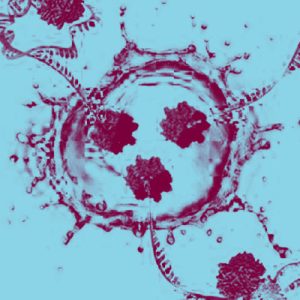
 Chemical Biology at McMaster applies chemical techniques and tools to study and manipulate of biological systems. This includes studying interactions between small molecules and macromolecules (proteins and nucleic acids), and molecules of all sizes (polymers) with biological systems, including cells and whole organisms. Much of this work involves preparing, characterizing and delivering compounds (from small molecules all the way to antibodies) that might be used as drugs or diagnostics. We synthesize new complexing agents to deliver transition metals to specific organs in the body for use in radio-imaging such as MRI, PET scans, and other medical applications. We also develop analytical techniques for metabolomics research, and biosensors to rapidly diagnose infections.
Areas of specialty include:
- In vivo delivery
- Drug and metabolite detection
- Bioimaging
- Biosensors
Our Researchers:
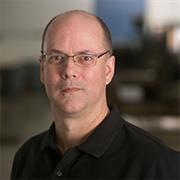
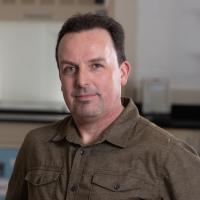
John Brennan
Professor, Canada Research Chair in Point-of-Care Diagnostics

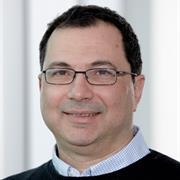

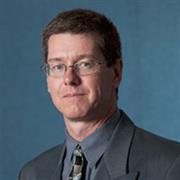
Yingfu Li
Professor, Departments of Biochemistry & Biomedical Sciences and Chemistry & Chemical Biology

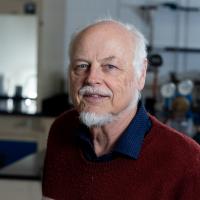
Nathan Magarvey
Associate Professor, Departments of Biochemistry & Biomedical Sciences and Chemistry & Chemical Biology
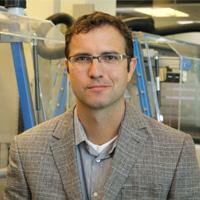
Jakob Magolan
Associate Professor, Department of Biochemistry & Biomedical Sciences

Anthony Rullo
Associate Professor, Department of Medicine


Ryan Wylie
Associate Professor, Acting Director of Chemical Biology (Graduate Studies)