
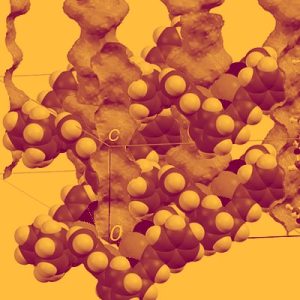
 Inorganic chemistry research at McMaster encompasses a wide range of molecular and materials research. Some research groups study the synthesis and characterization of unique high oxidation-state fluorides and noble-gas compounds, while others focus on ligand design and the syntheses of new organometallic catalysts. We study the development of organometallic precursors and reactions for thin film deposition, new solid state materials for thermoelectric and magnetocaloric applications. Other areas of exploration include supramolecular structures assembled using heavy main-group element interactions, radiolabeled compounds for medical imaging and treatment, and development and study of new electric vehicle battery and fuel cell materials. Our research approach blends applied and exploratory goals, in combination with in-depth understanding derived from detailed structural, bonding, computational and reactivity studies.
- Organometallic catalysts and precursors
- Radiolabeled compounds
- Solid state materials
- Thin film deposition
- High oxidation-state fluorides
- Supramolecular structures
Our Researchers
David Emslie
Professor
Research focuses on:Organometallic and Coordination Chemistry, Molecular Inorganic Synthesis, Ligand Design, Reactivity Studies and Catalysis, Atomic Layer Deposition
Gillian Goward
Professor
Research focuses on:Magnetic Resonance Spectroscopy and Imaging of Materials for Alternative Energy Storage & Conversion; Lithium Ion Batteries & Fuel Cells
Our research group aims to apply advanced solid-state nuclear magnetic techniques, in combination with electrochemical characterisation, to the study of materials of interest as chemical power sources. Lithium ion batteries and proton exchange membrane fuel cells (PEM-FC) provide environmentally friendly energy alternatives. Emerging technologiesinclude sodium ion batteries, and sodium/lithium-air batteries, which are exciting, but so far poorlyunderstood & controlled. Solid-state NMR is well known for its ability to provide site-specific information on structure and dynamics. Weutilise multi-nuclear approaches including 7Li, 6Li, 23Na, and 1H, to investigate processes and interactions such as electrochemical transport, ionic conductivity,hydrogen-bonding,and polymer chain ordering or mobility. In recent years, the field of magnetic resonance has experienced rapid technological and methodological growth, allowing a broader range of materials questions to be addressed.
James Inkster
Assistant Professor
Research Interests: Radiochemistry, bioconjugate chemistry, organic synthesis, PET molecular imaging
Research focuses on: the design, synthesis and assessment of novel PET imaging radiopharmaceuticals.
I’m a new faculty member in the Dept. of Chemistry & Chemical Biology and a radiopharmaceutical chemist. My team and I will be designing and testing radioactive diagnostic probes (radiotracers) for in vivo molecular imaging applications, in particular positron emission tomography (PET) tracers.å
Areas of research will include:
- efficient and broadly-useful radiosynthetic techniques, in particular those related to the incorporation of 18F into bioactive small molecules;
- new bioconjugation strategies for the modification of potential peptide and protein-based targeting vectors, and;
- pathologies that currently lack clinically-relevent, ‘gold-standard’ molecular imaging agents (e.g. diabetes, bacterial infection).”
- Website: McMaster Radiochemistry and Radiopharmaceuticals
Website: McMaster Radiochemistry and Radiopharmaceuticals
Publications: See OrcID for a list of Dr. Inkster’s most recent publications
Yurij Mozharivskyj
Professor
Research focuses on: Thermoelectric materials; inorganic phosphors for temperature sensing
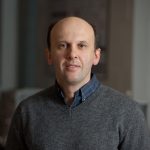
Saman Sadeghi
Associate Professor
Research focuses on: Molecular imaging, radiolabeling methodologies, targeted radiotherapeutics, preclinical in vitro and in vivo validation of radiopharmaceuticals, clinical translation
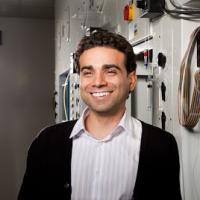
Gary Schrobilgen
Professor Emeritus
Research focuses on:Inorganic fluorine chemistry, noble-gas chemistry, main-group and transition-metal chemistry, radiochemistry
John Valliant
Professor

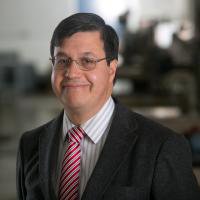
Ignacio Vargas-Baca
Professor and Chair (Acting)
Research focuses on:Supramolecular Main-Group Chemistry: New Materials and Functional Multimolecular Assemblies
David Emslie
Professor
Research focuses on:Organometallic and Coordination Chemistry, Molecular Inorganic Synthesis, Ligand Design, Reactivity Studies and Catalysis, Atomic Layer Deposition
David Emslie
Professor
Research focuses on:Organometallic and Coordination Chemistry, Molecular Inorganic Synthesis, Ligand Design, Reactivity Studies and Catalysis, Atomic Layer Deposition
Gillian Goward
Professor
Research focuses on:Magnetic Resonance Spectroscopy and Imaging of Materials for Alternative Energy Storage & Conversion; Lithium Ion Batteries & Fuel Cells
Our research group aims to apply advanced solid-state nuclear magnetic techniques, in combination with electrochemical characterisation, to the study of materials of interest as chemical power sources. Lithium ion batteries and proton exchange membrane fuel cells (PEM-FC) provide environmentally friendly energy alternatives. Emerging technologiesinclude sodium ion batteries, and sodium/lithium-air batteries, which are exciting, but so far poorlyunderstood & controlled. Solid-state NMR is well known for its ability to provide site-specific information on structure and dynamics. Weutilise multi-nuclear approaches including 7Li, 6Li, 23Na, and 1H, to investigate processes and interactions such as electrochemical transport, ionic conductivity,hydrogen-bonding,and polymer chain ordering or mobility. In recent years, the field of magnetic resonance has experienced rapid technological and methodological growth, allowing a broader range of materials questions to be addressed.
Gillian Goward
Professor
Research focuses on:Magnetic Resonance Spectroscopy and Imaging of Materials for Alternative Energy Storage & Conversion; Lithium Ion Batteries & Fuel Cells
Our research group aims to apply advanced solid-state nuclear magnetic techniques, in combination with electrochemical characterisation, to the study of materials of interest as chemical power sources. Lithium ion batteries and proton exchange membrane fuel cells (PEM-FC) provide environmentally friendly energy alternatives. Emerging technologiesinclude sodium ion batteries, and sodium/lithium-air batteries, which are exciting, but so far poorlyunderstood & controlled. Solid-state NMR is well known for its ability to provide site-specific information on structure and dynamics. Weutilise multi-nuclear approaches including 7Li, 6Li, 23Na, and 1H, to investigate processes and interactions such as electrochemical transport, ionic conductivity,hydrogen-bonding,and polymer chain ordering or mobility. In recent years, the field of magnetic resonance has experienced rapid technological and methodological growth, allowing a broader range of materials questions to be addressed.
James Inkster
Assistant Professor
Research Interests: Radiochemistry, bioconjugate chemistry, organic synthesis, PET molecular imaging
Research focuses on: the design, synthesis and assessment of novel PET imaging radiopharmaceuticals.
I’m a new faculty member in the Dept. of Chemistry & Chemical Biology and a radiopharmaceutical chemist. My team and I will be designing and testing radioactive diagnostic probes (radiotracers) for in vivo molecular imaging applications, in particular positron emission tomography (PET) tracers.å
Areas of research will include:
- efficient and broadly-useful radiosynthetic techniques, in particular those related to the incorporation of 18F into bioactive small molecules;
- new bioconjugation strategies for the modification of potential peptide and protein-based targeting vectors, and;
- pathologies that currently lack clinically-relevent, ‘gold-standard’ molecular imaging agents (e.g. diabetes, bacterial infection).”
- Website: McMaster Radiochemistry and Radiopharmaceuticals
Website: McMaster Radiochemistry and Radiopharmaceuticals
Publications: See OrcID for a list of Dr. Inkster’s most recent publications
James Inkster
Assistant Professor
Research Interests: Radiochemistry, bioconjugate chemistry, organic synthesis, PET molecular imaging
Research focuses on: the design, synthesis and assessment of novel PET imaging radiopharmaceuticals.
I’m a new faculty member in the Dept. of Chemistry & Chemical Biology and a radiopharmaceutical chemist. My team and I will be designing and testing radioactive diagnostic probes (radiotracers) for in vivo molecular imaging applications, in particular positron emission tomography (PET) tracers.å
Areas of research will include:
- efficient and broadly-useful radiosynthetic techniques, in particular those related to the incorporation of 18F into bioactive small molecules;
- new bioconjugation strategies for the modification of potential peptide and protein-based targeting vectors, and;
- pathologies that currently lack clinically-relevent, ‘gold-standard’ molecular imaging agents (e.g. diabetes, bacterial infection).”
- Website: McMaster Radiochemistry and Radiopharmaceuticals
Website: McMaster Radiochemistry and Radiopharmaceuticals
Publications: See OrcID for a list of Dr. Inkster’s most recent publications
Yurij Mozharivskyj
Professor
Research focuses on: Thermoelectric materials; inorganic phosphors for temperature sensing
Yurij Mozharivskyj
Professor
Research focuses on: Thermoelectric materials; inorganic phosphors for temperature sensing
Saman Sadeghi
Associate Professor
Research focuses on: Molecular imaging, radiolabeling methodologies, targeted radiotherapeutics, preclinical in vitro and in vivo validation of radiopharmaceuticals, clinical translation
Saman Sadeghi
Associate Professor
Research focuses on: Molecular imaging, radiolabeling methodologies, targeted radiotherapeutics, preclinical in vitro and in vivo validation of radiopharmaceuticals, clinical translation
Gary Schrobilgen
Professor Emeritus
Research focuses on:Inorganic fluorine chemistry, noble-gas chemistry, main-group and transition-metal chemistry, radiochemistry
Gary Schrobilgen
Professor Emeritus
Research focuses on:Inorganic fluorine chemistry, noble-gas chemistry, main-group and transition-metal chemistry, radiochemistry
John Valliant
Professor
John Valliant
Professor
Ignacio Vargas-Baca
Professor and Chair (Acting)
Research focuses on:Supramolecular Main-Group Chemistry: New Materials and Functional Multimolecular Assemblies
Ignacio Vargas-Baca
Professor and Chair (Acting)
Research focuses on:Supramolecular Main-Group Chemistry: New Materials and Functional Multimolecular Assemblies