
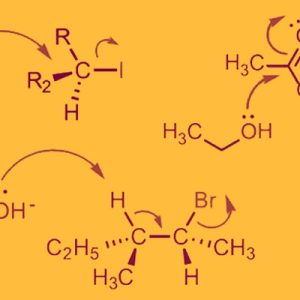
 Organic chemistry is the science of carbon compounds. McMaster’s organic chemistry research has expertise in its five major areas: synthetic; physical organic; bioorganic; photochemistry; and polymer
Synthetic organic chemistry studies the laboratory synthesis of specific molecules, such as natural products and dyes used magnetic resonance imaging (MRI). Physical organic chemistry focuses on the structure of organic molecules and the mechanisms of chemical reactions.
Photochemistry explores the chemistry of electronically excited states. We study the behaviour of molecules after they absorb light and their energy states change. Bio-organic Chemistry encompasses several areas of study including of the biosynthesis of compounds that occur in nature.
Polymer chemistry involves design, synthesis and characterization of novel monomers and polymers.
Our Researchers
Alex Adronov
Professor
Research focuses on:Polymer Chemistry of Nanotubes; Dendrimer-Based Therapeutics; Covalent Functionalization of Single-Walled Carbon Nanotubes (SWNTs); SupramolecularFunctionalization of SWNTs; Dendrimer-Based Imaging Agents
Current research projects can be separated into two main areas, including the polymer chemistry of carbon nanotubes, and dendrimer-based therapeutics. In the former, both covalent and non-covalent carbon nanotube functionalization strategies are being explored, with a focus on producing functional materials that combine the properties of carbon nanotubes with those of other nano-scale structures. In the area of dendrimer-based therapeutics, the emphasis is on the development and investigation of simultaneous diagnostic imaging and drug delivery agents.
Michael Brook
Professor, Faculty of Science Chair in Sustainable Silicone Polymers
Research focuses on:Synthesis to make silicones more sustainable: controlling biological and interfacial properties by incorporating natural materials, new routes to recycle automotive tires, development of strategies to create precise silicones with precise properties
Michael Brook
Professor, Faculty of Science Chair in Sustainable Silicone Polymers
Fred Capretta
Associate Professor
James Inkster
Assistant Professor
Research Interests: Radiochemistry, bioconjugate chemistry, organic synthesis, PET molecular imaging
Research focuses on: the design, synthesis and assessment of novel PET imaging radiopharmaceuticals.
I’m a new faculty member in the Dept. of Chemistry & Chemical Biology and a radiopharmaceutical chemist. My team and I will be designing and testing radioactive diagnostic probes (radiotracers) for in vivo molecular imaging applications, in particular positron emission tomography (PET) tracers.å
Areas of research will include:
- efficient and broadly-useful radiosynthetic techniques, in particular those related to the incorporation of 18F into bioactive small molecules;
- new bioconjugation strategies for the modification of potential peptide and protein-based targeting vectors, and;
- pathologies that currently lack clinically-relevent, ‘gold-standard’ molecular imaging agents (e.g. diabetes, bacterial infection).”
- Website: McMaster Radiochemistry and Radiopharmaceuticals
Website: McMaster Radiochemistry and Radiopharmaceuticals
Publications: See OrcID for a list of Dr. Inkster’s most recent publications
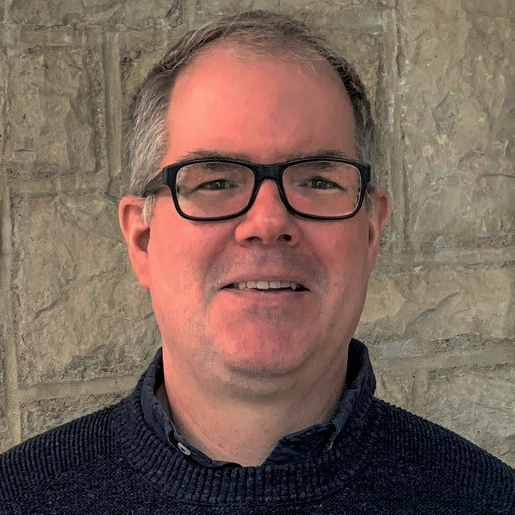
Jakob Magolan
Associate Professor, Department of Biochemistry & Biomedical Sciences
Jakob Magolan
Associate Professor, Department of Biochemistry & Biomedical Sciences
James McNulty
Professor
Research focuses on: Organic Synthesis; Medicinal Chemistry; Natural Products; Organocatalysis; Transition-metal Catalysis;Total Synthesis
Anthony Rullo
Associate Professor, Department of Medicine
Anthony Rullo
Associate Professor, Department of Medicine
Saman Sadeghi
Associate Professor
Research focuses on: Molecular imaging, radiolabeling methodologies, targeted radiotherapeutics, preclinical in vitro and in vivo validation of radiopharmaceuticals, clinical translation
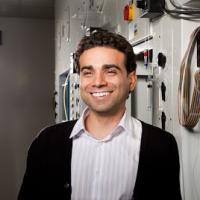
Harald Stover
Professor
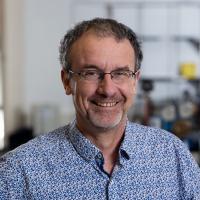
John Valliant
Professor
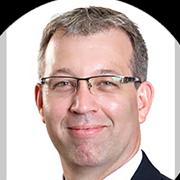
Alex Adronov
Professor
Research focuses on:Polymer Chemistry of Nanotubes; Dendrimer-Based Therapeutics; Covalent Functionalization of Single-Walled Carbon Nanotubes (SWNTs); SupramolecularFunctionalization of SWNTs; Dendrimer-Based Imaging Agents
Current research projects can be separated into two main areas, including the polymer chemistry of carbon nanotubes, and dendrimer-based therapeutics. In the former, both covalent and non-covalent carbon nanotube functionalization strategies are being explored, with a focus on producing functional materials that combine the properties of carbon nanotubes with those of other nano-scale structures. In the area of dendrimer-based therapeutics, the emphasis is on the development and investigation of simultaneous diagnostic imaging and drug delivery agents.
Alex Adronov
Professor
Research focuses on:Polymer Chemistry of Nanotubes; Dendrimer-Based Therapeutics; Covalent Functionalization of Single-Walled Carbon Nanotubes (SWNTs); SupramolecularFunctionalization of SWNTs; Dendrimer-Based Imaging Agents
Current research projects can be separated into two main areas, including the polymer chemistry of carbon nanotubes, and dendrimer-based therapeutics. In the former, both covalent and non-covalent carbon nanotube functionalization strategies are being explored, with a focus on producing functional materials that combine the properties of carbon nanotubes with those of other nano-scale structures. In the area of dendrimer-based therapeutics, the emphasis is on the development and investigation of simultaneous diagnostic imaging and drug delivery agents.
Michael Brook
Professor, Faculty of Science Chair in Sustainable Silicone Polymers
Research focuses on:Synthesis to make silicones more sustainable: controlling biological and interfacial properties by incorporating natural materials, new routes to recycle automotive tires, development of strategies to create precise silicones with precise properties
Michael Brook
Professor, Faculty of Science Chair in Sustainable Silicone Polymers
Research focuses on:Synthesis to make silicones more sustainable: controlling biological and interfacial properties by incorporating natural materials, new routes to recycle automotive tires, development of strategies to create precise silicones with precise properties
Fred Capretta
Associate Professor
Fred Capretta
Associate Professor
James Inkster
Assistant Professor
Research Interests: Radiochemistry, bioconjugate chemistry, organic synthesis, PET molecular imaging
Research focuses on: the design, synthesis and assessment of novel PET imaging radiopharmaceuticals.
I’m a new faculty member in the Dept. of Chemistry & Chemical Biology and a radiopharmaceutical chemist. My team and I will be designing and testing radioactive diagnostic probes (radiotracers) for in vivo molecular imaging applications, in particular positron emission tomography (PET) tracers.å
Areas of research will include:
- efficient and broadly-useful radiosynthetic techniques, in particular those related to the incorporation of 18F into bioactive small molecules;
- new bioconjugation strategies for the modification of potential peptide and protein-based targeting vectors, and;
- pathologies that currently lack clinically-relevent, ‘gold-standard’ molecular imaging agents (e.g. diabetes, bacterial infection).”
- Website: McMaster Radiochemistry and Radiopharmaceuticals
Website: McMaster Radiochemistry and Radiopharmaceuticals
Publications: See OrcID for a list of Dr. Inkster’s most recent publications
James Inkster
Assistant Professor
Research Interests: Radiochemistry, bioconjugate chemistry, organic synthesis, PET molecular imaging
Research focuses on: the design, synthesis and assessment of novel PET imaging radiopharmaceuticals.
I’m a new faculty member in the Dept. of Chemistry & Chemical Biology and a radiopharmaceutical chemist. My team and I will be designing and testing radioactive diagnostic probes (radiotracers) for in vivo molecular imaging applications, in particular positron emission tomography (PET) tracers.å
Areas of research will include:
- efficient and broadly-useful radiosynthetic techniques, in particular those related to the incorporation of 18F into bioactive small molecules;
- new bioconjugation strategies for the modification of potential peptide and protein-based targeting vectors, and;
- pathologies that currently lack clinically-relevent, ‘gold-standard’ molecular imaging agents (e.g. diabetes, bacterial infection).”
- Website: McMaster Radiochemistry and Radiopharmaceuticals
Website: McMaster Radiochemistry and Radiopharmaceuticals
Publications: See OrcID for a list of Dr. Inkster’s most recent publications
Jakob Magolan
Associate Professor, Department of Biochemistry & Biomedical Sciences
Jakob Magolan
Associate Professor, Department of Biochemistry & Biomedical Sciences
James McNulty
Professor
Research focuses on: Organic Synthesis; Medicinal Chemistry; Natural Products; Organocatalysis; Transition-metal Catalysis;Total Synthesis
James McNulty
Professor
Research focuses on: Organic Synthesis; Medicinal Chemistry; Natural Products; Organocatalysis; Transition-metal Catalysis;Total Synthesis
Anthony Rullo
Associate Professor, Department of Medicine
Anthony Rullo
Associate Professor, Department of Medicine
Saman Sadeghi
Associate Professor
Research focuses on: Molecular imaging, radiolabeling methodologies, targeted radiotherapeutics, preclinical in vitro and in vivo validation of radiopharmaceuticals, clinical translation
Saman Sadeghi
Associate Professor
Research focuses on: Molecular imaging, radiolabeling methodologies, targeted radiotherapeutics, preclinical in vitro and in vivo validation of radiopharmaceuticals, clinical translation
Harald Stover
Professor
Harald Stover
Professor
John Valliant
Professor
John Valliant
Professor